The Return of Lace: How Vintage Textiles Are Shaping Modern Interiors
For nearly a decade, interiors leaned toward restraint. Smooth surfaces, quiet palettes, streamlined silhouettes. Minimalism, in its many variations, shaped how we furnished, styled, and even photographed our homes. Ornamentation softened. Pattern receded. Texture became subtle, almost secondary.
But design, like fashion, moves in cycles.
A Shift Away from Minimalism
Recently, there has been a noticeable shift. Rooms feel layered again. Materials feel considered rather than reduced. Detail is no longer something to edit out — it’s something to highlight. And among the most unexpected returns is lace.
Not in a nostalgic, overly sentimental way. Not as costume. But as texture.
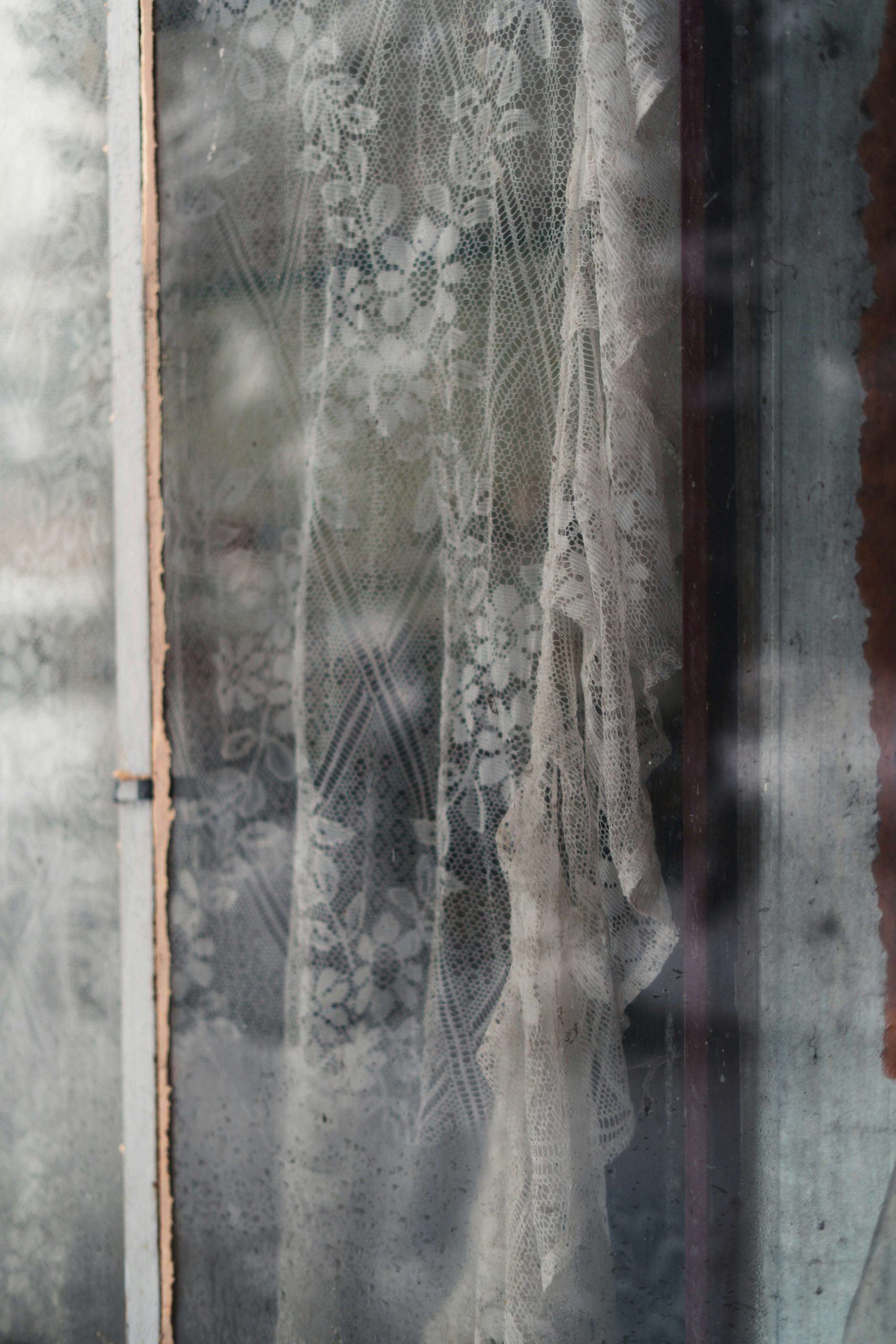
Lace and vintage textiles are reappearing in interiors as contrast — a deliberate counterpoint to clean-lined furniture and architectural spaces. Their presence is less about romance and more about depth. In a room defined by wood, stone, and upholstery, a delicate textile introduces shadow and intricacy. It catches light differently. It interrupts flatness.
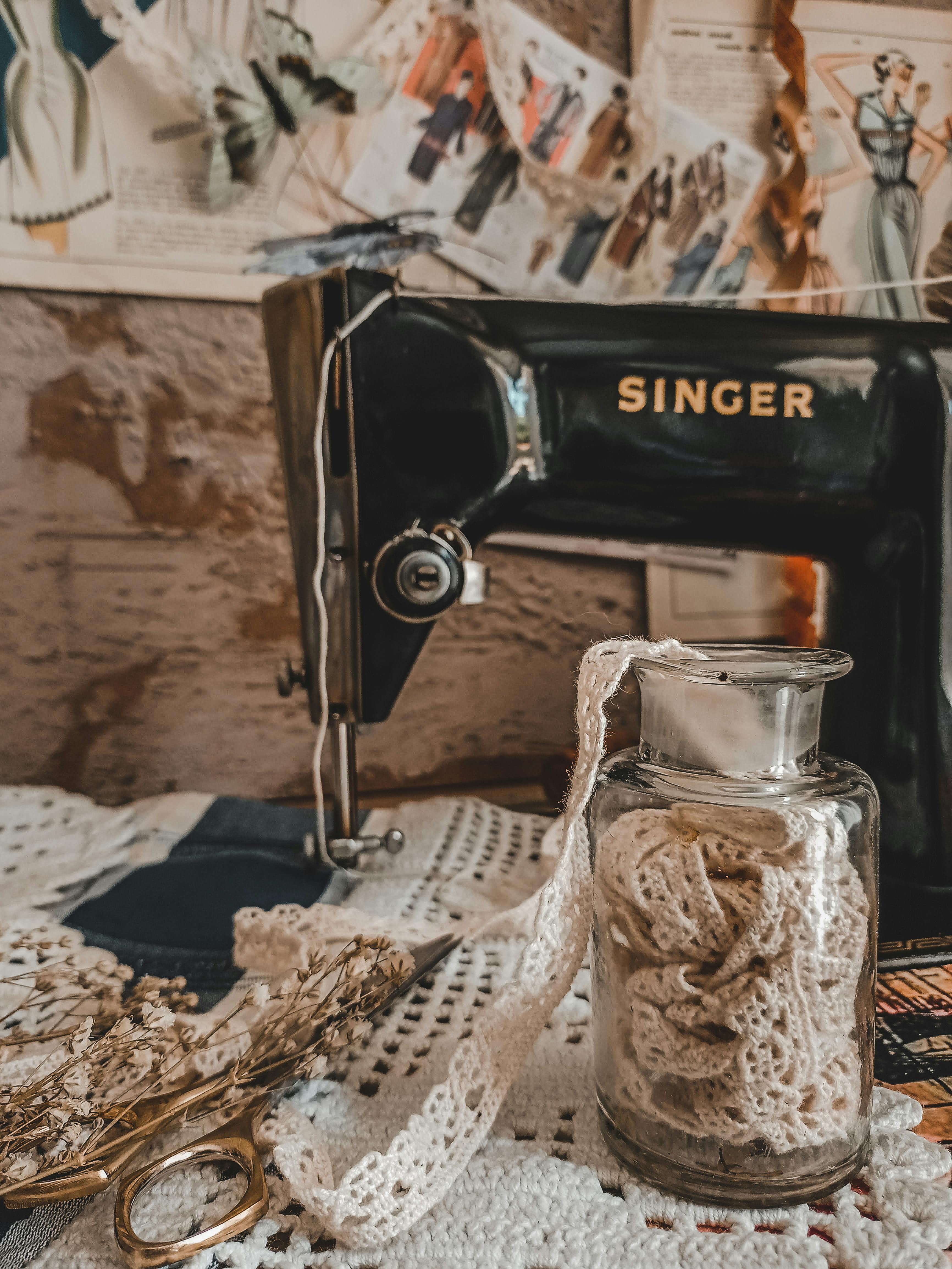
In a digitally saturated world, tactility feels grounding. We scroll past endless smooth surfaces every day. It’s perhaps no surprise that, within our homes, we’re gravitating toward materials that feel handmade and dimensional. Lace — whether antique, crocheted, or delicately woven — carries that quiet complexity.
What makes this return compelling is restraint.
Lace as Texture, not Nostalgia
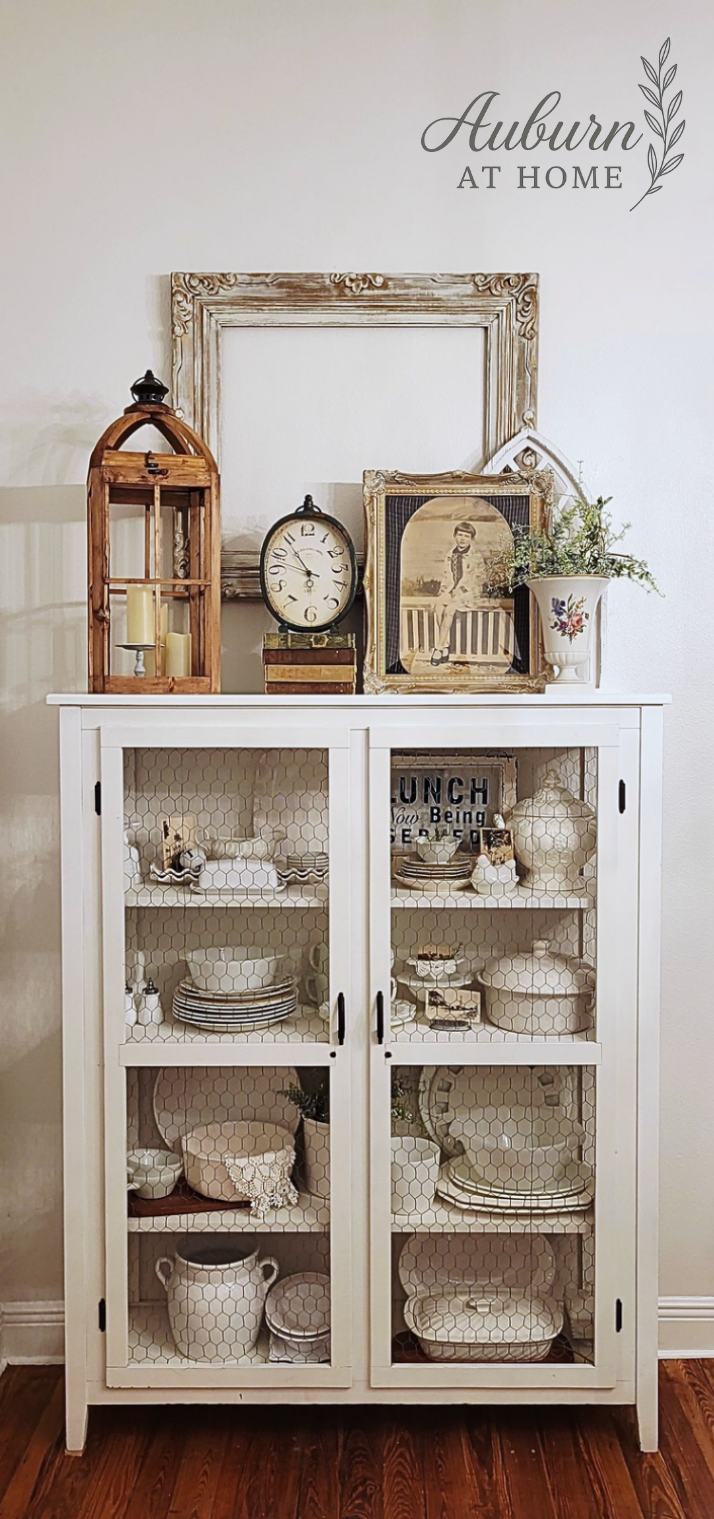
Today’s interiors are not recreating the doily-covered tables of decades past. Instead, designers and homeowners are using vintage textiles sparingly. A single lace runner beneath ceramic plates, a framed textile layered into a gallery wall, a subtle insert draped across a console. Effects are composed rather than themed.
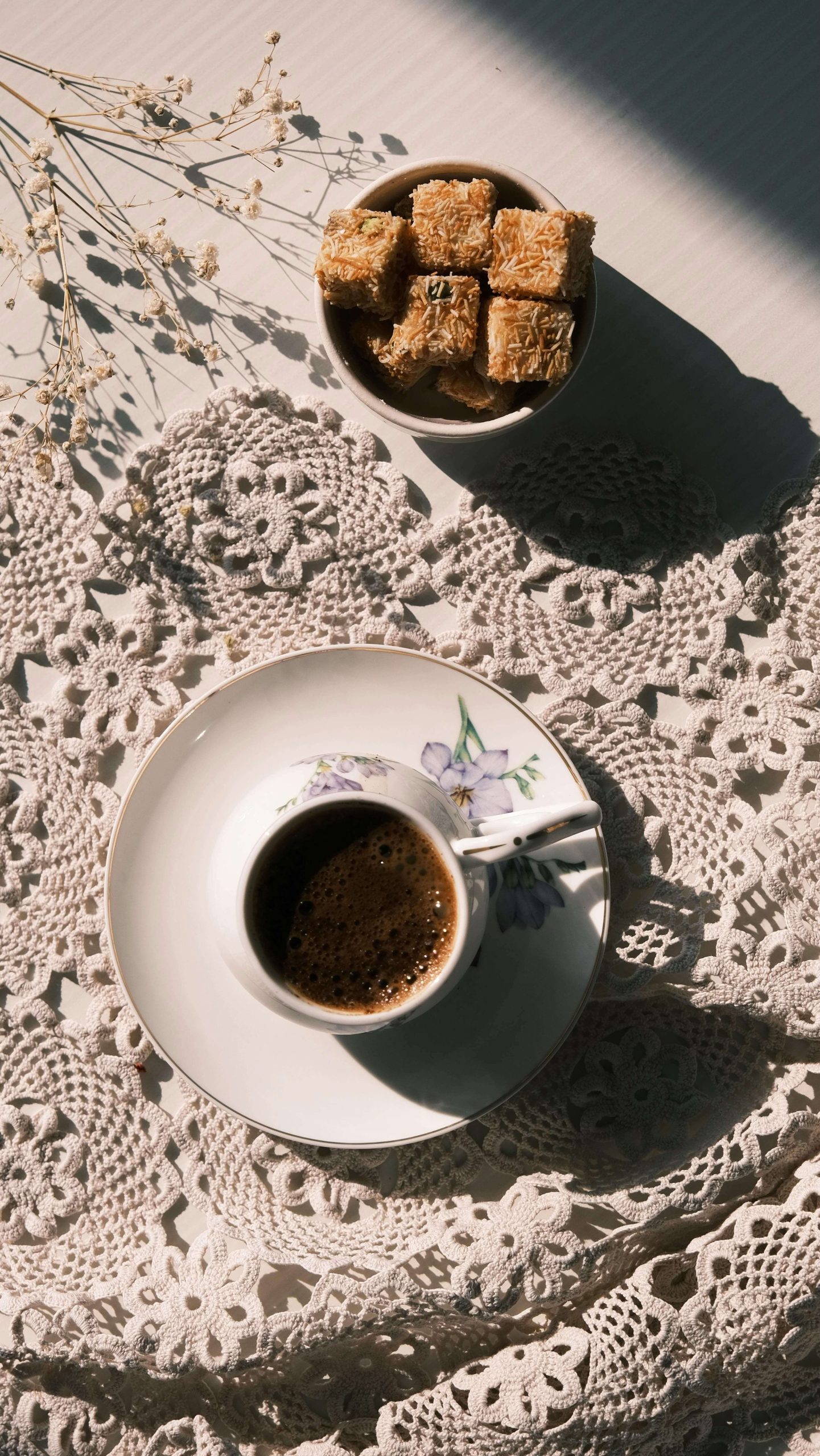
This approach reflects a broader movement toward collected spaces. Homes are beginning to feel less staged and more assembled over time. Heirloom details, or pieces that feel as though they could be heirlooms, lend a sense of permanence. They soften newly purchased furniture. Help temper stark walls. Suggesting history without imitation.
Heirloom Details in Modern Interiors
Still there is also a growing appreciation for craftsmanship. However, in contrast to mass production, vintage textiles remind us of the time and skill embedded in handmade work. The fine threading, the variation in pattern, the imperfection — these elements read as authentic rather than decorative.
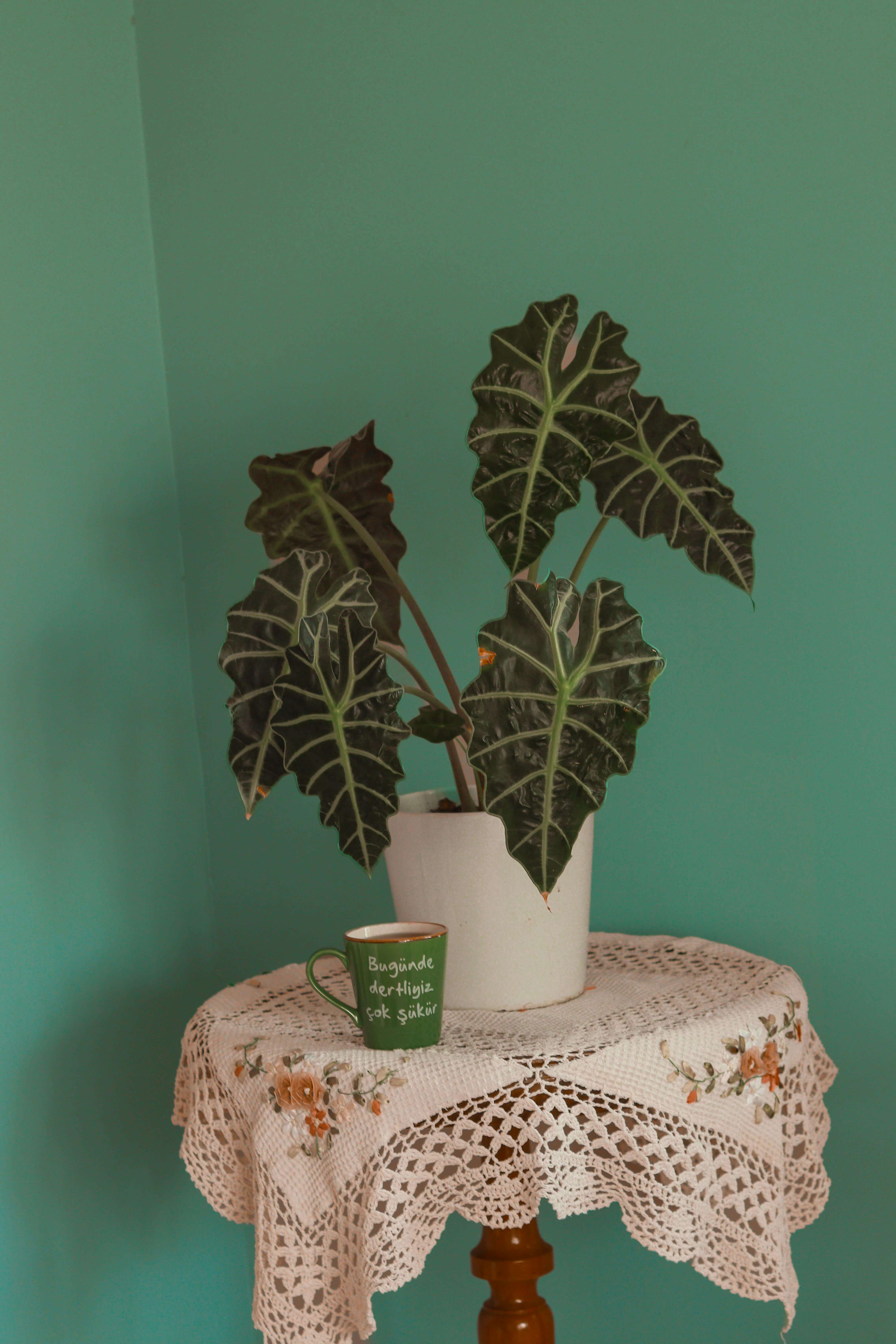
Importantly, lace does not demand a cottage aesthetic, nor does it confine a space to traditional styling. In fact, it thrives when paired with structure. Dark woods, tailored upholstery, stone surfaces, and even contemporary lighting create tension against something delicate. That tension is what makes the combination feel current.
Why Texture Feels Relevant Again
This reemergence of lace aligns with a broader design recalibration. Traditional influences are resurfacing. European-inspired layering is gaining momentum. Rooms are becoming more nuanced, less formulaic. Texture — once edited down — is now seen as a marker of sophistication.
Trends will continue to cycle. Materials will fall in and out of favor. But the renewed interest in vintage textiles suggests something deeper than nostalgia. It signals a desire for dimension, for softness, for the subtle interplay between old and new.
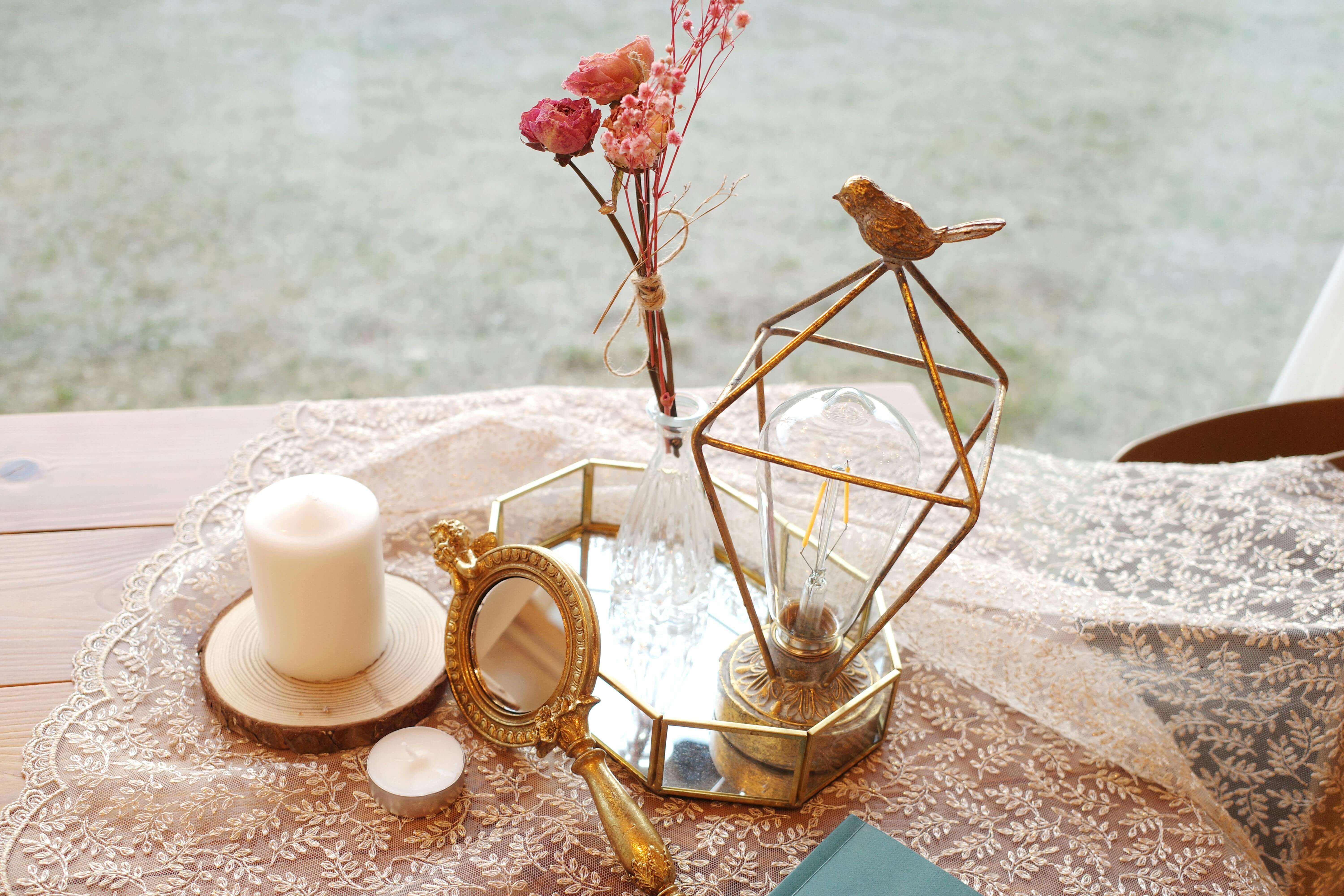
Lace, in this context, is not a throwback. Notably, it is a reminder that detail still matters.
And perhaps that homes feel most complete not when everything is pared back, but when they hold a trace of intricacy within them.